

Amy Cole – A Caring Person with FND
Developed FND: August 14, 2024
Previous Employment: Web Developer
Sharing the things I’ve learned through my journey with Functional Neurological Disorder (FND).
Are you looking for answers about living with FND?
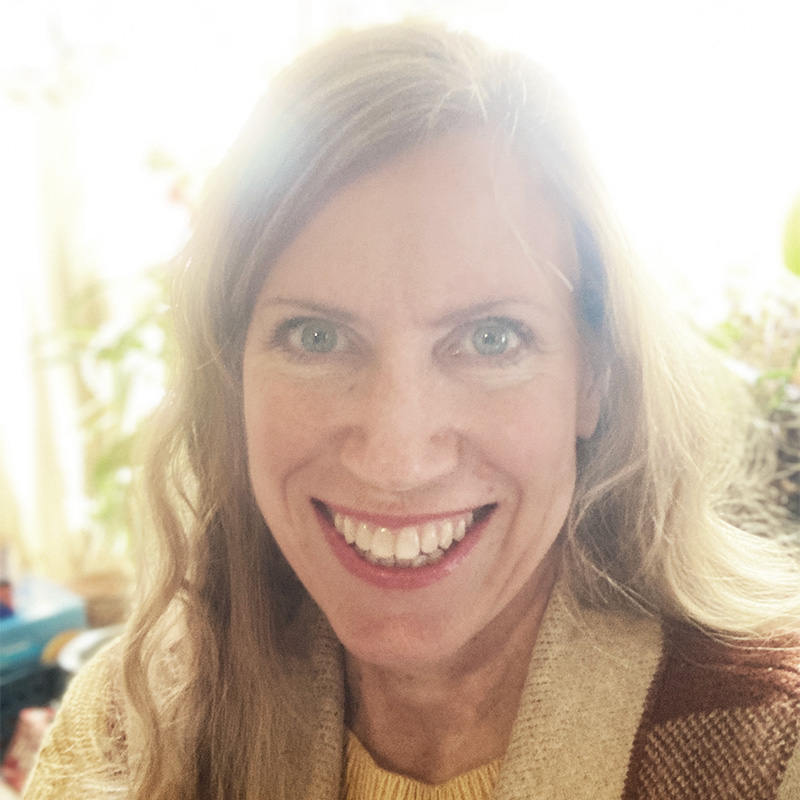
Hello, I’m Amy
I want to help people with FND reclaim their lives and develop their talents.
My journey with FND was pretty typical. I had a really stressful event that kicked it all off. I had trauma. Believe me. I believed I was dying. No one knew what was going on. My doctors and I had never heard of FND. Finally I saw a neurologist who diagnosed me. I was sent to a website to get more information.
My condition got better for a bit and then relapsed with a vengeance. I felt scared, confused, alone, and desperate for answers. Bit by bit, I got clues and pieces of the puzzle. Answers that would not only help me, but hopefully help others as well.
What I Do
I’m not a doctor. But I have played one on stage before.
But seriously, I am not a doctor. I can’t give you medical advice. All I can tell you is what has worked for me. Everybody’s journey with FND is unique. Some people have different symptoms, triggers, etc. So, what works for me might not be the answer for you. I’m not giving advice, I’m just sharing my story in hopes that it will help someone else who is trying to figure this out.
Most of my doctors have never heard of FND before. And the ones who have, have their specialty, see me a few times here and there and then they refer me to someone else who also doesn’t understand FND. Most of the times, those referrals have been rejected, so I’ve had to do a lot of research and learning through trial and error.
The Process
The Things I’ve Found To Be Most Helpful in Managing FND
Rest
At first, I needed to sleep almost all day every day. My brain was really needing a lot of rest. I still need naps every day. I usually take at least two half-hour naps, but sometimes I need more when my brain is tired, so I listen to my body.
Pacing
When I first heard of pacing, I didn’t understand how slow I actually needed to go to make it work. Then, I heard about the spoon theory and it clicked for me. Now, I try to do one big thing a day, unless I’m having a shaky brain day. Sometimes, if I’m feeling good, I can do a little more, but I usually end up paying for it with a flare-up when I push too much.
Brain Chemical Regulation
I watched a video about dopamine crashing and why it’s important for motivation and other things. It made so much sense and I felt like I was struggling with this more now that I had FND. I wondererd if there was a connection, so I researched it and found that people with FND often have lower baseline levels of dopamine, glutamate, and BDNF. So, I try to regulate these through lifestyle, diet, and exercise.
Trauma Processing
Because trauma processing has been shown to be effective in treating FND in a lot of cases, I have tried to incorporate this into my healing journey. However, I still haven’t found a counselor that will work with me, so I’m currently using Chat GPT to help me with trauma processing. I asked it to help me set it up to understand FND and to use ACT models as well as other models that have been shown to help with FND trauma processing. I also asked it to help me figure out when I was ready for trauma processing and remind me with notifications and things. When I flare up, I take a break from trauma processing. If I’m doing well, I can do a little trauma processing a week. But, I often get triggered during sessions, so maybe it’s not the best option. However, it’s all I’ve got and I’m determined to get better.
Hormone Help (IUD)
In my experience, I’m very triggered by hormone imbalances. I’m currently in perimenopause, so my hormones are all over the place. I noticed that with every period, my FND would flare up, so I asked Chat GPT which hormones were responsible for my flare ups. It said that it was probably progesterone, since the crashes happened around the same time the progesterone would dip in my cycle. So, I looked into ways to get my progesterone leveled out. I came across the idea of a hormone IUD. I’m sure there are other methods that may help, but I have to figure out a lot of things on my own, so I went with an IUD. So far, it has been extremely helpful. I did notice that I now have hot flashes again and my body went through a histamine reaction period where I was basically allergic to all soaps, etc. I was itching all over. My doctor suggested to stop taking Zyrtec. I did. The itching got worse. So, I cut out high-histamine foods from my diet and have been better since.
The main thing is that my brain is much calmer and I’ve been able to function for a few weeks, since I got it.
Physical Therapy
The person who has been the most helpful in all of this has been my physical therapist. He was knowledgeable about FND, had a few tricks to help me distract my brain so I could move when my brain said I couldn’t. He suggested things like throwing a ball while I walked, or kicking a ball back and forth with someone. I was having trouble walking and these things really helped. He spent a few sessions with me and taught me a lot about FND. But, then, he felt like the treatment had worked and I didn’t need to see him anymore. I was given the option to come back if I needed it. He suggested that trauma processing and tapping may be helpful.
I still have days where walking is hard, but I’m sure it would have been way worse if he hadn’t intervened.